How Hackers Collect Your Email — And How Temp Mail Stops Them
How Do Hackers Get Your Emails?
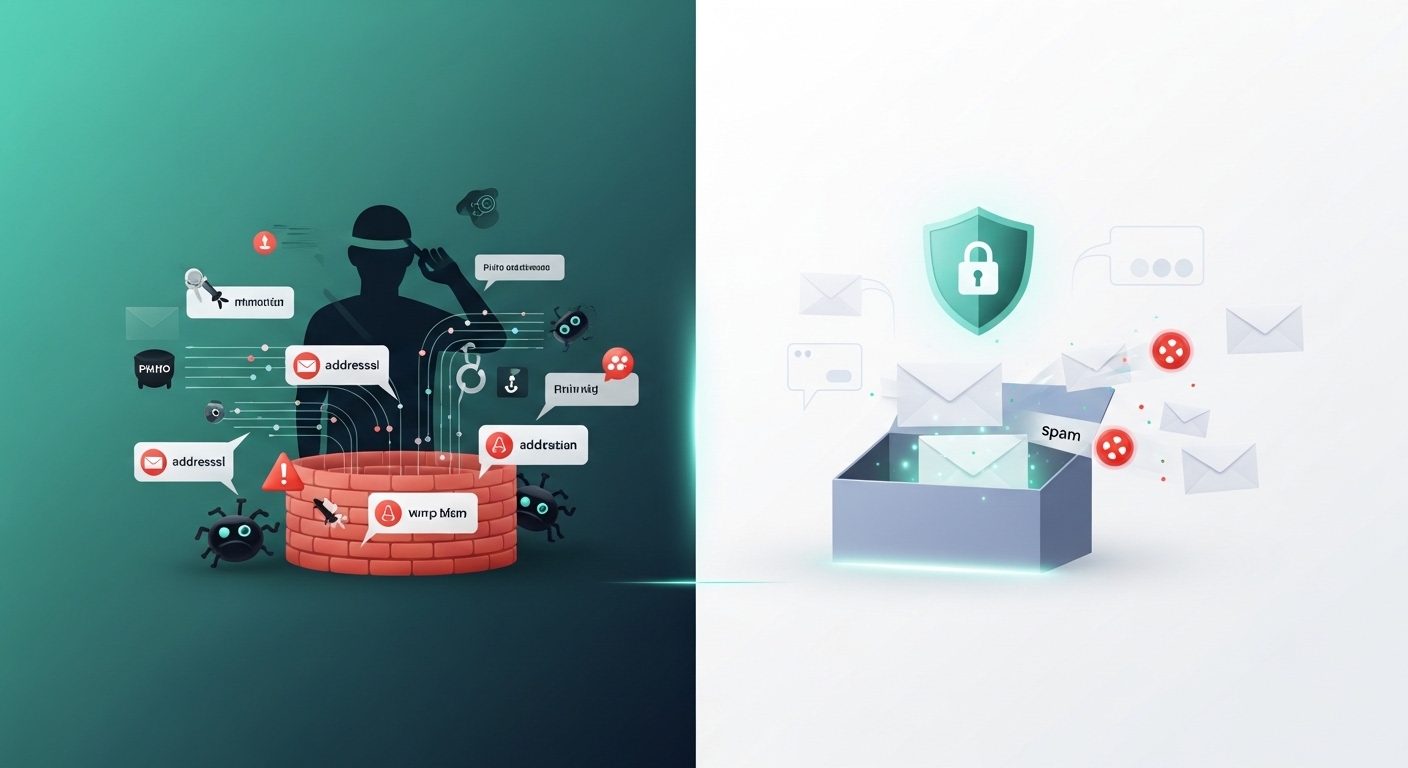
After shopping and signing up for services and newsletters, personal email addresses have become a top asset for hackers. Once hackers collect emails, individuals become exposed to spam, phishing, and identity theft. Hackers use a variety of techniques to collect emails.
One popular technique hackers use to collect emails is phishing. Hackers pretend to be a company or person who is email or website-based and trick users to reveal their email addresses and personal information. The phishing emails can have a link to a fake website that looks authentic and then obtain the credentials of their users.
Hackers also use data scraping, which means they use software that automatically scans websites and goes to public documents to obtain email addresses and personal information. This is easy for hackers because the settings of public profiles are usually not secured at all.
Malware is a technique hackers use to collect emails as well. Malware is a specific type of software created to disrupt and damage a computer to obtain their information, such as emails. This is concerning to the Mac, Windows, and Linux users that collect or know of the information because the malware allows hackers to steal information without a trace.
To prevent hackers from getting into personal emails, certain strategies are necessary. Helpful ways to protect emails include identifying phishing attacks, keeping social media accounts private, and securing computers with solid anti-virus software. If people are careful and use good judgment, emails will not be scalped and used. The education and awareness of these strategies are immensely important for responsible social behavior when utilizing the Internet.
Breach of Email Address: What are the Dangers?
Today's digital world allows people to communicate and share information in ways that were previously unimaginable. Unfortunately, along with the convenience that email offers, come the risks of compromised emails and the numerous potential threats that accompany that. The most significant and apparent result of compromised emails will be the increase in spam and phishing attacks. A phishing attack, in which the attacker tricks their victim in to handing over their sensitive information, now has one less step to perform, as compromised email addresses are now in their arsenal.
Email breaches and phishing attacks lead to a greater risk of identity theft. Individuals easily fall victim to a phishing attack as the attacker has some of their personal information. That person can actually be harmed tremendously financially. Everyday, numerous people lose a significant amount of control over their personal information and can no longer trust their email accounts.
The greatest risk in these types of phishing attacks and identity theft would be the breaches of a compromised email address. They would do things like create a backdoor in a company, and one could financially ruin the company with the loss of sensitive information. The dark web is used for numerous phishing attacks and espionage, and it continues to increase.
The exposure of emails can cause potential dangers for hackers. Harassment and unsubscribe addresses can serve users in a different way. Cyberstalking hotlines opened for a reason and that sophistication is increased and keeps developing a vicious cycle. Irrespective of legal ramifications, the dangers of the Sony media incident are unfortunately endless. In 2014, the hackers extended access of positive reputation journalists for personal information of actors, geopolitics of studio actors, and opened settlements for a personal correspondence correspondence. Potential risk that your account might be used for fraudulent purposes is irresponsible. The need to protect accounts to avoid leaking information to the internet is swallowing the account of personal account on the internet.
A Look at Instant Email Services
A TEMPORARY EMAIL address is the best approach for the privacy of the customer, and multiple daily uses of these new technologies will be helpful Virtually all online services are gourmet or takeout. For daily subscriptions or short-term participation in online services, these emails will work. The emails are set to self-destruct after a certain amount of time or uses.
Anonymous, convenient, quick, and simple. These are the main selling points of temporary emails. People create temporary emails to protect their real emails when doing things online. With emails getting hacked and security being compromised, people want to protect their emails. People can use their temporary emails for whatever they want and keep their main emails secret.
Temp mail is so popular because of its attractive interface and quick emails. With temp mail, people can make their emails instantly. People use temp mail to create quick emails to avoid the hassle of signing up for things they only plan to use for a short time. The emails people create with temp mail are fully functional. These emails can receive and send emails so people can use it as a confirmation email, verification email, or to receive pieces of information.
To protect your real email and make sure your security is staying intact, temp mail is a good option. These temporary email systems create emails that are only for a short time and for online activities that can be compromised so you can keep your main email secret. They're good for keeping the digital space secure.
How Temp Mail Shields You from Hackers
With the risk of online victimization at an all time high, it's clear that one should think hard about stakeholder protection on every account, especially with emails. Hackers use multiple means to collect email addresses for spam or phishing. This is where temp email comes to play.
With Temp Mail, you are in control of the addresses. You can create an email that will serve your purpose, be signed up to an account, and later, be completely out of the account. And the purpose can be as mundane as collecting discount offers and promotions emails. Just will not perform spam to your secure account, and sold.
With Temp Mail, you stand a much better chance of employment and money safety while gaining some promotion offers and targets. A site that demands some promtoken or security risk, or semblance of high safety risk, should be placed on the not safe "for sure" on your Temp Mail.
Temp mail services can be useful if you understand how to utilize them effectively. Frequently changing your temp mail email, or refusing to provide your email to sites, can minimize your risks regarding cyber threats. Practicing the effective use of temp mail email for increased online privacy will test you.