The Ultimate Guide to Blocking Spam Using Temp Mail Services
Greeting Spam and Its Substitutes
Spam is an email that is sent with no consent and usually comes with ads, phishing, or malware. Spam can happen with emails, comment sections of websites, and some types of instant messages. Spam can impact the person and the professional domain in many affecting ways.
Email spam is one of the most popular types of spam. This is when someone gets a lot of emails sent from an unknown source called an email spam. This leads to a lot of losses, like wasting productive time to scroll through email messages that don't matter, and missing a lot of other emails that are actually important. Another type of spam is comment spam and most of the time they are used to promote a specific service or product.
Spam, unlike many people believe, is to mess with communication and links. It can breach a lot of privacy and danger in different and serious ways. The owners could be charged with the law if spam is not reported to the authorities. And if a company is spamming, they can lose customers and damage a lot of their own reputations by doing so and gaining nothing. Spam leads to a lot of losses, a lot of the time is not worth it, especially in the case that a company is competing for business. Spam actually ends up with a huge loss for the competing company.
In the age of technology, digital safety is of the utmost importance. By understanding the risks of spam, businesses, and users, will have the ability to protect themselves. Spam is a major contributor to compromised digital safety.
What is temporary mail?
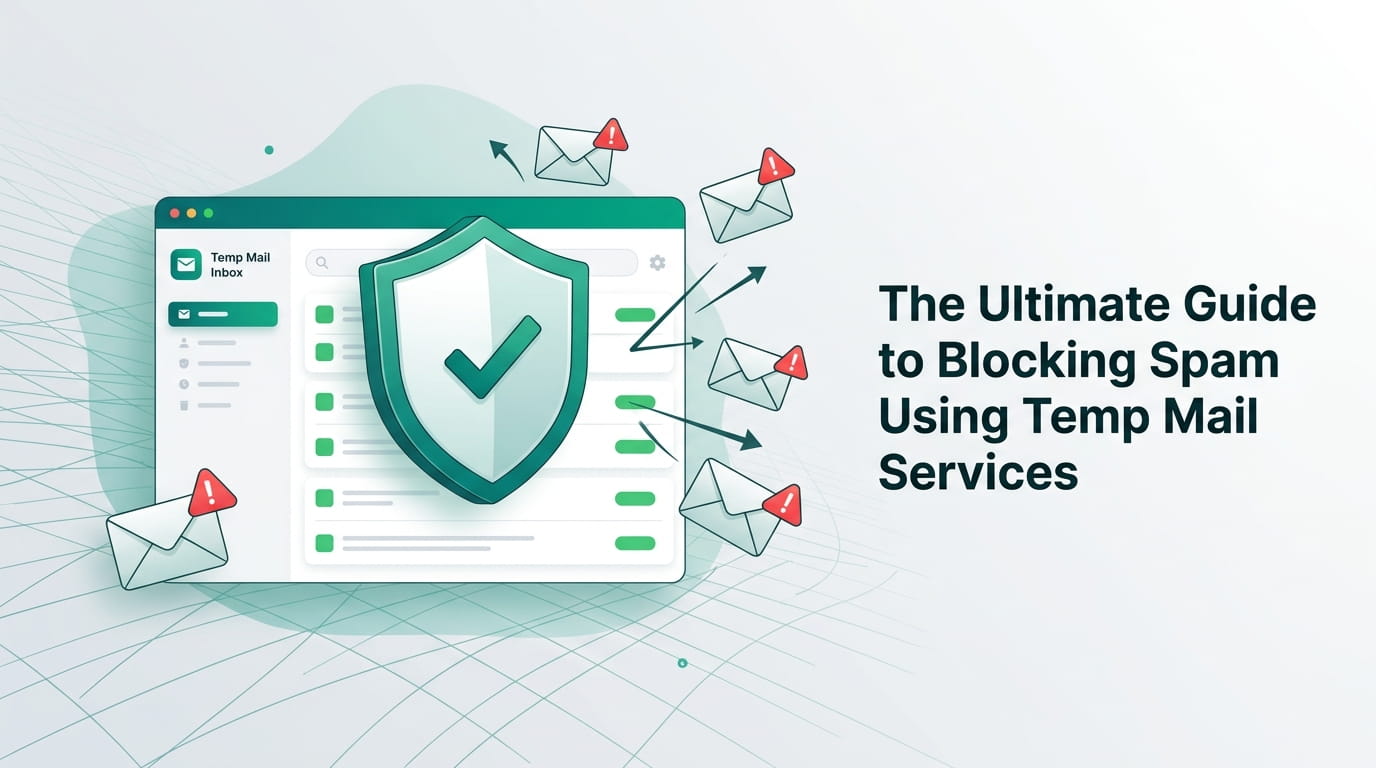
Temp mail services are spam-blocking email services that allow users to create temporary, disposable email addresses. These addresses are intended to be created and used for a very short period. Using a temporary email service helps to keep your real email private. By using a temporary email, you are able to register for any service that may require email confirmation without the risk of being spammed to that email.
Most temporary email services create a random and somewhat official email, and then, after a predetermined time period, that email becomes inactive. This drastically reduces spam in your primary email and is one of the major purposes of these services. Using a temporary email service is simple. Most platforms make it possible to create a temporary email address with just a few clicks. This is a great feature for accessing email verification without the personal risk of spam.
Temp email services are great for blocking spam and having complete control over which sites have your email address. It simplifies online sign-up and registration processes while shielding your information and maintaining your online safety. Plus, these services have simple user-friendly interfaces. People with no tech skills are able to navigate these platforms easily.
Using temporary emails, the risk of online phishing and cyber hacking are reduced. For one, your personal email address is not required for the multiple online activities that you need to engage in. Understanding the value and perks of protecting and securing yourself online, you can use temporary mail options to your benefit.
Using These Temp Emails: A Practical Guide
To start, a temporary email provider needs to be selected, but not just any. Many services can help you maintain and control the spam in your email. There are a few things to be on the lookout for while doing your temporary email address research.
Naturally, people tend to read user reviews. Aside from a positive user review, are the provided temporary emails of high-quality? Is the temporary service email address safe? These are a few questions to consider. Also consider the features you want. Some Temporary email services are more HTML or email address cloning based. Email cloning allows for more high-tech permanency to email. Others have high flexibility in attachments and are transitory email address services. An address that will only be disposable to the recipient and the service is also a great option. Actual viruses that could infect your personal property are not.
Creating a temporary email address is very simple once you’ve chosen a service. All you have to do is go to a temp mail service’s website and click to receive a new email address. The service makes an address for you that you can use instantly and you don’t even have to register, but you have to copy the address because you’ll need it after.
You’ll use your temporary email to sign up for services and to fill out online forms. This is helpful for services that require an email to use but then send spam or other email blasts. To protect your real email from unwanted use, a temporary service can be used.
When using temporary email services: use your email wisely because some services have temporary emails that are black-listed; don’t use temporary emails for important accounts that need security verification; and avoid using temporary services that will set expiration dates to your temporary email. It’s important that you use temporary email services wisely to protect you from unwanted spam and to make it up to the temp email services restrictions.
Block Spam Method Ideas and Tips
? Spam is constantly becoming more advanced and using temporary emails is just about one of the many tools to improve email management and keep your privacy. The more you implement the more you can eliminate unwanted spam.
First, you should use strong spam filters. Most modern email platforms come with critical filtering functions that banish spam before you even see it. It’s important to take the time to customize these filters. These filters make spam management a lot easier because users can customize filters to send unwanted emails to the spam folder.
Another option users can try is to filter their inbox with customizable ,personal emails. Many platforms offer features that allow email users to make rules that sort emails, mark emails as important, and even delete emails, based on different criteria such as keywords, email addresses, etc. With these resources, users can gain full control over their inbox and see only the emails that they want to see.
Users should also realize that these advanced control options is a great way to keep the email users emails safe. Users should also be sure that they’re using all the best options available. This means enabling two-factor authentication and frequently changing their password. This makes it safer to use emails because even your information is safe.
Digital cleaning is also really important. People can heavily reduce the amount of spam they get by cleaning out their email and deleting their subscriptions. This can help minimize the amount of spam you get. Together with these options, users can also take measures by using fake emails for non-essential email subscriptions. This can create a strong barrier against spam.