Temporary Email for Website Registrations: Pros and Cons
Email generated from Temporary email services
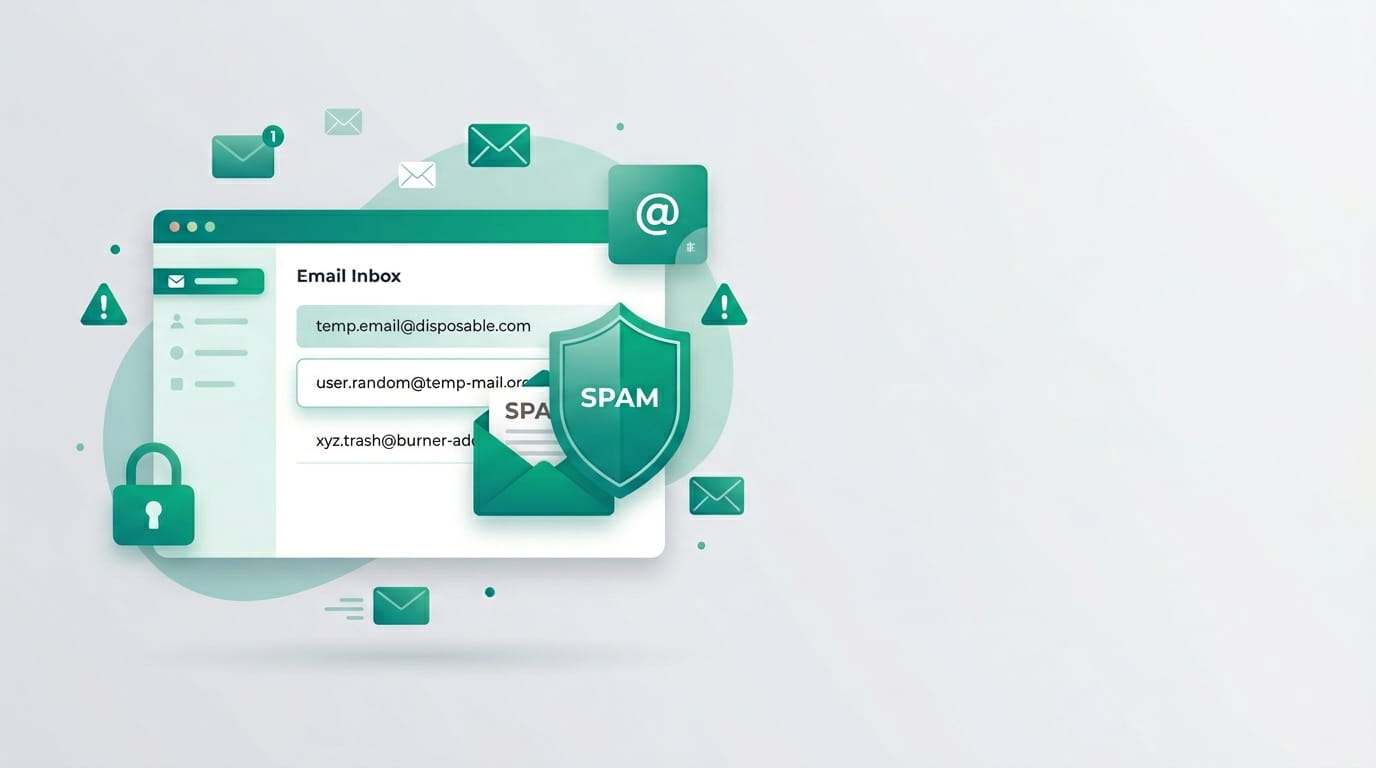
Disposable email services, designed to generate email addresses, are often used to communicate email information while protecting users' personal email addresses. Users create an email address, which allows generated emails to be preserved during the service's existence; after the use is completed, the addressee can remain undetected.
Temporary email services generate email addresses using alternative domains, which are designed for time constraint. These services provide an interface for users over their website to access the emails. One main benefit of disposable emails is that users can manage the services of their main inbox in a more organized manner by using the generated emails as a spam service.
Temporary disposable emails are used to manage the email domains used to promote content information and advertisements. They are used to target emails of unknown recipients. Services of this nature can be useful for privacy reasons of users. They have installed great popularity as tools to improve and optimize communication and information discharge. There are a variety of disposable email service providers such as mailinator, bullet mail, mailinator, guerrilla mail and many more.
You're definitely gonna want to be careful when using a temporary email account vs. a standard email. It's nice that websites have the option to use temporary emails to quickly register for a user's account. However, these come at the cost for both the user and the company. A company email has the ability to be more secure, more organized, and the address is permanent. These are essential for users and companies. Temporary emails are convenient when users just want to abandon the website company.
Reasons to Use Temporary Email for Online Registrations
Recently, being able to use temporary emails to set up an account online has sincerely blown up. One of the pros is that you are actually able to use and present online anonymity. Public websites often, and quite literally always, ask for a user's email account, regardless of the kinds of information being asked. Using a temporary email, users are able to keep their identity and email addresses to themselves. This also creates an almost impenetrable barrier for unwanted emails.
You also have the advantage of not receiving unwanted emails, aka spam. It is very very... fifty fifty percent... common for websites to collect your email and then just bombard emails to you for promotions and deals ad nauseam. A temporary email filters this all out. Your temporary email can be deleted after you are done with the website, thus keeping your email inbox eternally clean and spam free.
The primary consideration among consumers is security, and they have every reason to be wary of the nefarious ways in which a main email address can be exposed to the world and the numerous numbers of ways cybercriminals can try to illegally exploit email information. The temporary nature of the email services lowers the chance of the services being exploited. The protection of the main email address is primary among consumers when cyber criminals can be limited in the ways they can potentially exploit nefarious emailing services.
Temporary emails can provide services without main emailing addressing from a consumer, which can lead to enormous convenience, especially when there is less-than-satisfactory services offered. Consumers can avoid ending any services, especially when the services offer less-than-satisfactory promotions.
The temporary nature of email addresses can be used when signing for short-lived services or when one desires a quick email for short-lived services. Then email services can be used when one desires negative services and comms, which can be used when one requests short-lived services and for convenience. For those who want a quick solution for limited-time comms or promotions, using a temporary email can be extremely beneficial. For example, temporary emails can be invaluable for users who have frequent business travel or those who expect to participate in limited-time promotions or services. For users who want to avoid clutter in their main email, using a temporary email can simplify the registration process and provide anonymity comms.
Cons of Temporary Email Services
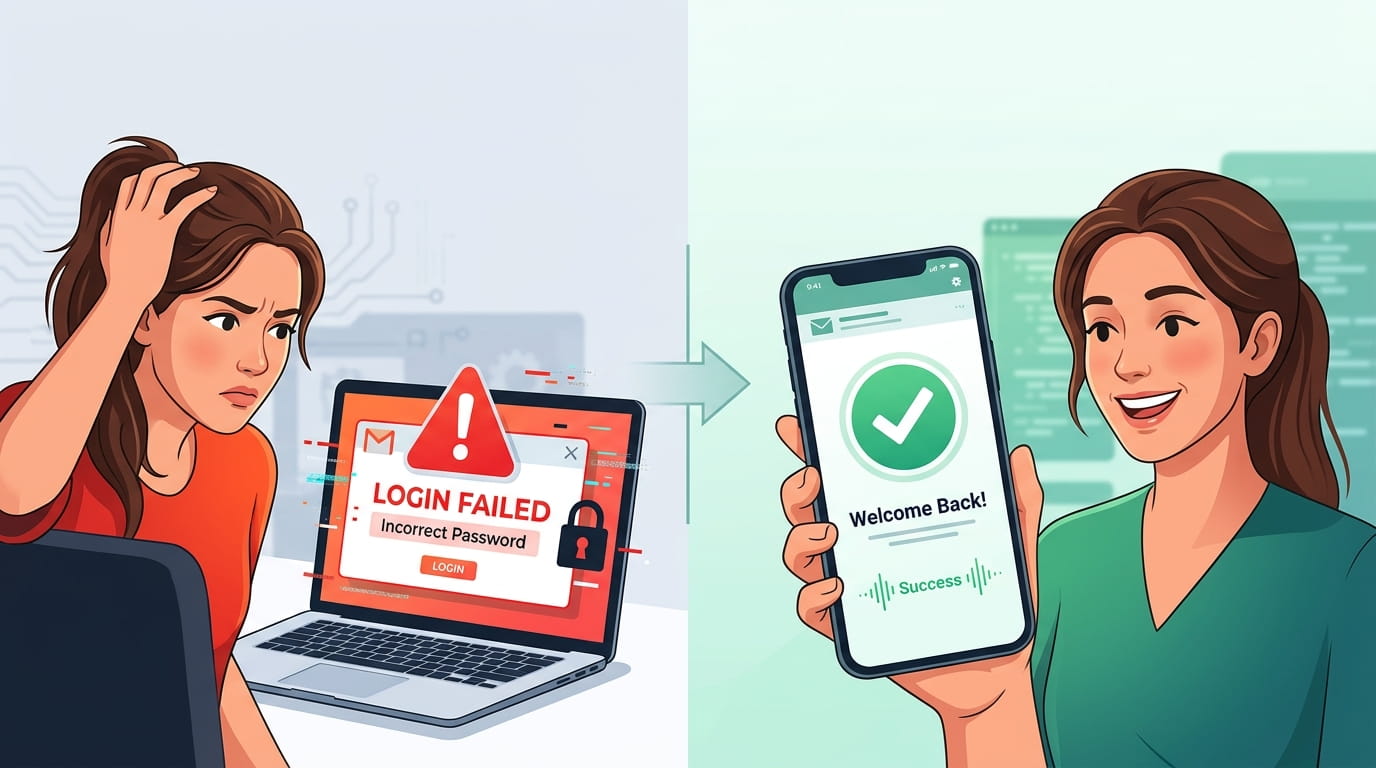
Temporary email services come with many pros, but they also have notable cons that cause many people to not want to use them when signing up on websites. The main con is account recovery. A lot of online services and platforms of verifying your email as a way to see who you are and verify you. If you have to reset your password and you signed up with a temporary email, this makes the reset process easy to impossible to complicated since the email is temporary and has a lifespan as well.
Temporary email services are also inconsistent for communication via email. These services make it harder to manage continuous and more important communication that is needed for continuous correspondence. When signing up for this email, communication on account issues that may lead to updates of customer support is all gone because of the temporary email that makes it all annoying.
An additional factor is that a lot of websites now recognize that you are using temporary emails, and they block them from signing up on there. Websites are not giving users who like to keep their online presence incognito many chances. The same can also be noticed for websites where you need to be active and need presence using a temporary email is a big problem actually.
Finally, the safety of creating fake email accounts is very important. Because there is no extensive identification process, these emails can be easily abused. These fake emails can be used by criminals and malicious email accounts for potentially dangerous activities, jeopardizing the safety of the email account creators and the emails working with the account. For this reason, even though fake email accounts can save time and work and keep user information anonymous, they can be extremely dangerous and can actively harm people, demanding users to be careful with them.
Best Fake Email Account Practices
When using fake emails to create accounts, there are some key practices to keep things running smoothly and securely. It is worth noting that fake emails should be reserved for things like promotional emails or forums in which people might not require a lot of information. These emails should be used to protect people from spam and unwanted emails.
Using a fake email provider also tends to be extremely essential. If a service can be looked at to potentially be a reliable provider, they should be loafed for not collecting data or usage logs. Not all email providers are reliable. Making sure the provider is used is extremely reliable, and using providers that run a lot of services with similar values are also important to ensure reliability.
If you face issues with message/email confirmations on websites that require email addresses, respond quickly to fix the issues. Many temporary email services provide support for cases when users have issues. Providing support for this issue is important. Read the terms and conditions on the websites when you register email addresses. As temporary email services do not guarantee permanent email addresses and will not provide the levels of security or privacy when considering the use of temporary emails, you need to understand how you will use your email to the highest in order to protect your privacy. Websites may send you emails to advertise other products that you may not necessarily be interested in.
For users who want a better and more secure solution, instead of temporary emails, you can make a unique identifier as an email alias or a sub-account on your primary email account. You can separate email entries from promotional or other unwanted communications to blend in other email sub-accounts or aliases where you have more control. Outlook and Gmail email services have the ability to create email domains with different prefixes or suffixes to provide you with secure and safe temporary email addresses.