How to Avoid Spam Emails Using Temporary Mail Services
What are Spam Emails?
Spam emails are emails sent in insulted bulk, mainly for advertisements, scams, or to compromise security. Spam emails mess up your inbox and cause real emails to be unnoticed. Spam emails can be categorized into many types, such as: fake promotional emails, phishing emails, and emails with malware.
The most fake spam emails are fraudulent promotional emails. These emails are sent, for the most part, by businesses and marketing firms for the purpose of emailing advertisements to people without requesting their permission. Though legitimate spam emails can be annoying, fake phishing emails should be of much greater concern. Phishing emails commonly scare people to scams, where they lose their security to phishing emails and lose their small fortune. Scammers often run fake promotional emails and phishing emails to make people lose their security to phishing emails and lose their small fortune.
Spam emails containing malicious emails are often the most dangerous. These emails can often contain links take you to viruses. These emails can take your device, and destroy, and/or take these emails will take you damage it and these emails destroy your device. These emails will take your device, and damage it to be malware. Real emails spam emails can be categorizing. Despising spam emails are detrimental for your security and these spam emails can personal to your emails.
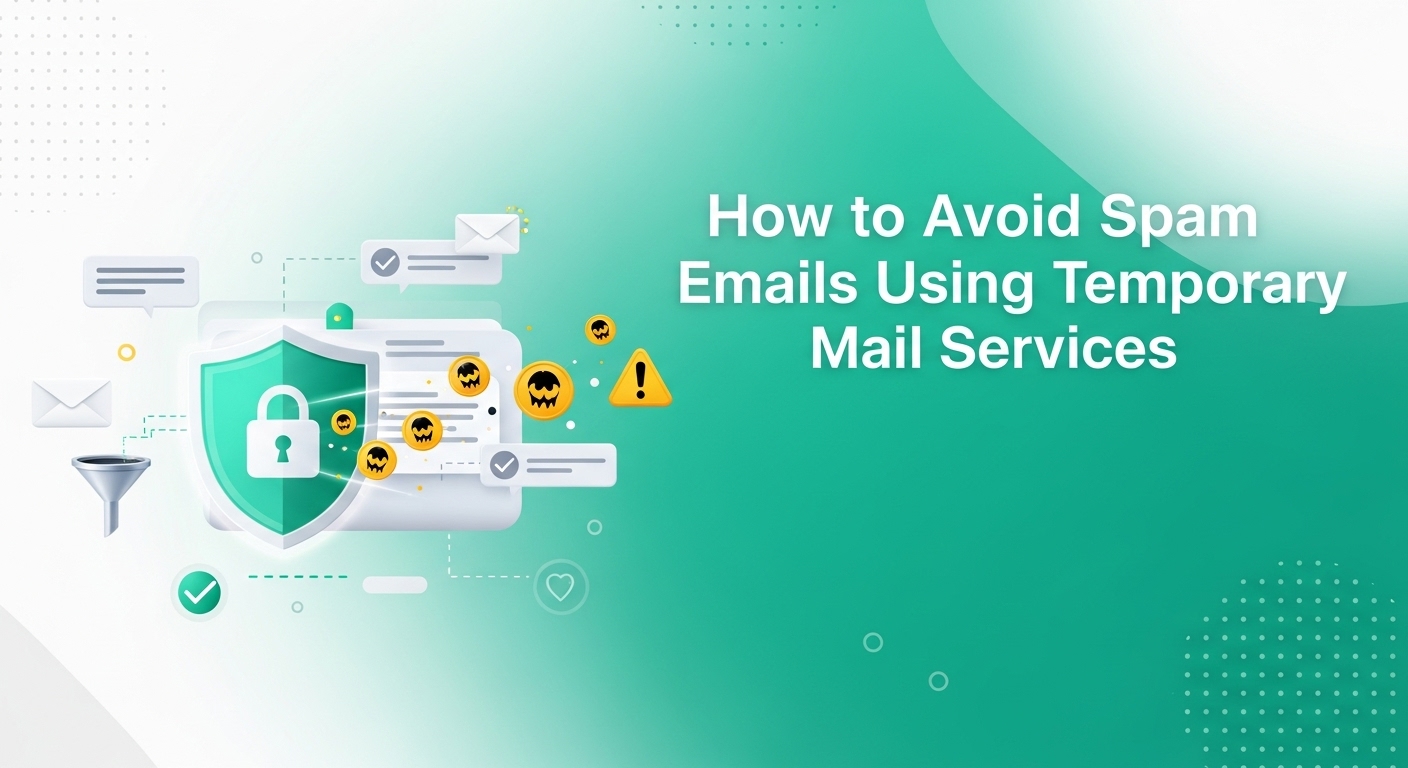
Protecting your primary email account from spam and a chaotic email environment is a must. When critical emails are lost amongst spam, you are vulnerable. Using a disposable email service that offers temporary email addresses will protect your primary email from spam.
Disposable email services are a special kind of email service that allows you to set up temporary email accounts without personal contacts. They provide you a unique email address that will cease to exist either after a set amount of time or a set amount of messages. This provides a great service to people who don't want to divulge their primary email address via spam.
Disposable email services provide an anonymous email address. When you sign up for disposable email addresses, you can register for services or join mailing lists without your primary email receiving spam. When you are done, you can either allow the temporary email to expire or you can delete it. This will keep the activity of your temporary email isolated.
Advantages of Using Temp Mail Services
Some well-known Temp Mail service providers include Guerrilla Mail, Temp Mail, and Mailinator. While all these providers offer Temp Mail services, each one has something unique to offer. Some of these Temp Mail service providers offer custom domain names, spam filtering, and encrypted transmissions, among other features. The great thing about these Temp Mail services in comparison to traditional email services is that traditional email services require users to provide personal information and go through a verification process. With Temp Mail services, users can instantly use the service without the hassle of signing up.
When to Use Temp Mail Services
There are numerous different situations in which a Temp Mail service can be especially useful. For instance, these services can be useful when signing up on a website that you have to register to in order to be able to send the email that you have to enter. Websites that offers you a limited time offer trial if you provide a Temp Mail service to circumvent a pay wall can also be especially useful to reduce the spam that you receive in your inbox. There are many reasons why Temp Mail services can be useful, but the primary reason is that these services can be effective in reducing the amount of spam and increasing user privacy.
How to Use Temp Mail Services
Temp Mail services can be especially useful if you want to eliminate spam and correspond with different individuals online. The first thing that you need to do is find a good quality temporary email provider. There are many options available to you, but you want to choose one that is easy to use and offers temporary emails that offer a good level of security and privacy. Some good options are Temp Mail and Guerrilla Mail.
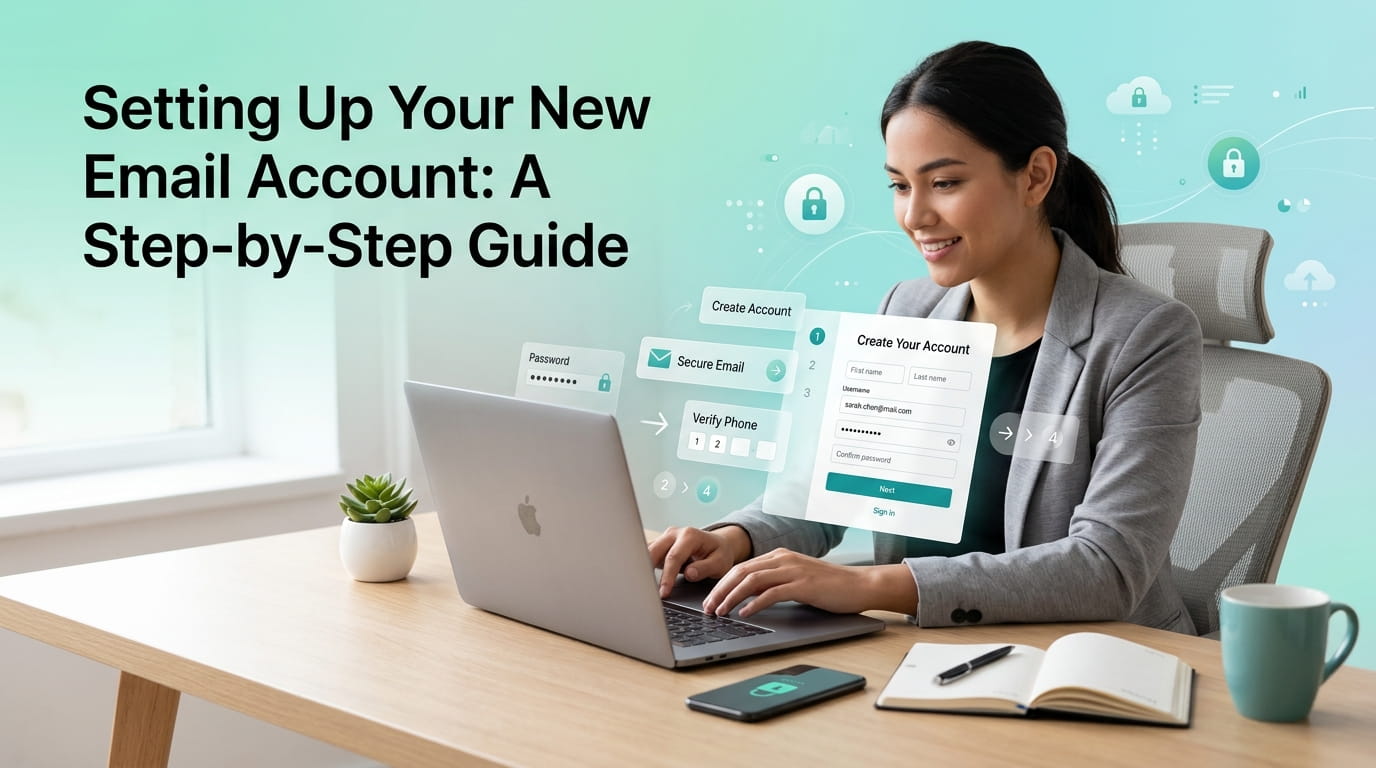
Once you choose a provider, creating a temporary email account should be easy. Usually, no personal information is required. Go to your chosen provider’s website, and they should auto-generate a temporary email address for you. It’s a good idea to save this email address for a later date when you need a temporary email for a verification task.
Using your temporary email when you need to register for a site will greatly help lessen the amount of spam you get. During sign ups and subscriptions, and downloads, when you anticipate getting spam, input your temporary email. Many email confirmation messages can go right to this email to verify your account, and have your private email account secure.
Using temporary email services requires you to get your email and take action. Most providers give your inbox a very easy to navigate inbox. Checking your inbox will help you to know what you need to email responses to, but do know and understand that these email addresses are temporary. Check your email and then do what it is you needed to do.
So, choosing the right provider and being careful when you give your email for sign ups and then managing your inbox is the most efficient and safe way to maximally benefit from a temporary email provider. This will help lessen your spam and also help keep you safe and secure.
Limitations and Considerations
While using temporary mail services greatly helps control spam emails, the services have limitations, and knowing this helps prevent future issues. Account stability is the most relevant issue, since typical emails remain active, while temporary emails are not. Important and timely emails sent to a temporary account may not be available after the company `means tests` the account for inactivity, or deletes the account. This can be a risk, and should be considered.
Accessibility is another issue. Some sites or services have a problem with temporary emails. This can prevent users from easily activating as a temporary email can be used to verify your account. Users must balance usage for privacy and how readily available the services are.
There are a few other points to note. The ethical and legal implications should be studied, as in some countries and more specifically, areas, temporary emails can be used in a push to break the anti spam regulations, and using temporary emails to not hear the identification in the digital world can infringe anti spam regulations. Using a temporary email may cloud and endanger the ethics to engage with businesses or services that may be different or remove the need for precise and accurate private information.
Temporary emails can be useful for quick signups but come with privacy risks. Users should only use temporary emails when necessary and be conscious of where they use them. The risks of temporary emails can have negative effects on privacy but can be safe to use with caution.